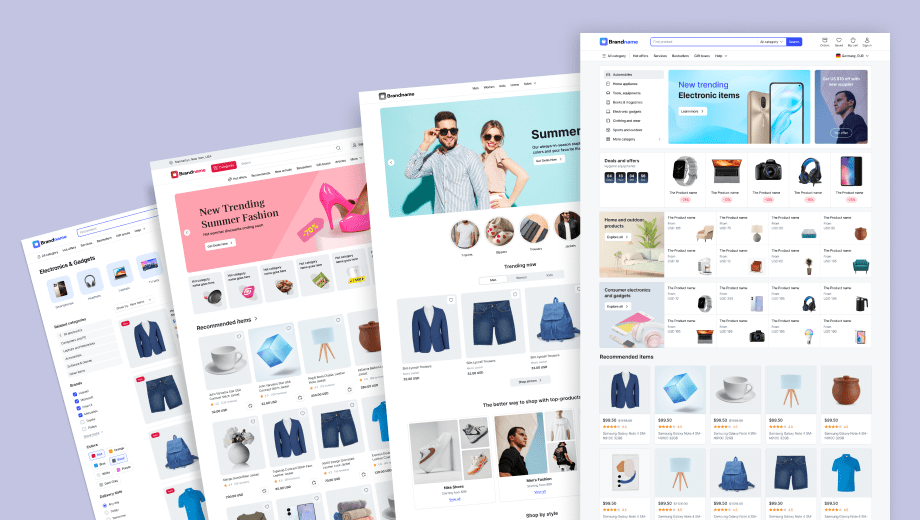
What Are the Key Elements to Consider When Designing an E-Commerce Website?
Designing an e-commerce website is a complex task that requires careful planning, strategic thinking, and attention to detail. A well-designed e-commerce site not only attracts visitors but also converts them into loyal customers. To achieve this, there are several key elements that every e-commerce website should have. This comprehensive guide explores these crucial components to help you create an effective, user-friendly, and profitable online store.
1. User-Friendly Navigation
One of the most fundamental aspects of any e-commerce website is easy and intuitive navigation. Customers should be able to find what they are looking for quickly and effortlessly. Complex or confusing navigation often leads to frustration and high bounce rates.
- Clear Menu Structure: Organize your products into logical categories and subcategories.
- Sticky Navigation Bars: Keep navigation menus visible as users scroll down.
- Breadcrumbs: Show users their current location and allow easy backtracking.
- Mega Menus: For stores with extensive inventories, mega menus display multiple categories in one expanded view.
- Search Bar: Include a prominent search bar with autocomplete and suggestions to help users find products quickly.
2. Responsive and Mobile-Friendly Design
With the rapid increase in mobile shopping, a responsive design that adapts seamlessly to different screen sizes is essential. Google also prioritizes mobile-friendly websites in its rankings, making this a critical SEO factor.
- Adaptive Layouts: Ensure the website adjusts to mobile, tablet, and desktop devices.
- Touch-Friendly Elements: Buttons and links should be easy to tap on smaller screens.
- Fast Mobile Loading: Optimize images and code to reduce load times on mobile networks.
- Mobile Checkout: Simplify the checkout process for mobile users to reduce cart abandonment.
3. High-Quality Product Images and Videos
Product visuals play a major role in online purchasing decisions. Since customers cannot physically touch or try products, clear and attractive images build trust and boost sales.
- Multiple Angles: Show products from different perspectives.
- Zoom Feature: Allow users to magnify images for close-up details.
- Lifestyle Images: Show products in real-life situations to help customers visualize usage.
- Product Videos: Demonstrate product features, usage, and benefits.
- Consistent Image Style: Maintain uniform lighting, background, and size across all images for a professional look.
4. Detailed and Clear Product Descriptions
Alongside images, product descriptions provide essential information that guides buying decisions.
- Key Features and Benefits: Highlight what makes the product valuable.
- Specifications: Include size, materials, weight, and other technical details.
- Usage Instructions: Explain how to use or care for the product.
- SEO Optimization: Incorporate relevant keywords naturally to enhance search engine rankings.
- Readability: Use bullet points, short paragraphs, and headings for easy scanning.
5. Secure and Diverse Payment Options
Customers expect multiple payment methods and secure transactions when shopping online. Offering convenience and security builds trust and reduces abandoned carts.
- Popular Payment Methods: Include credit/debit cards, PayPal, digital wallets (Apple Pay, Google Pay), and local options.
- SSL Encryption: Protect customer data with secure sockets layer (SSL) certificates.
- PCI Compliance: Ensure your payment processing meets security standards.
- Guest Checkout: Allow users to buy without creating an account to speed up purchases.
- Clear Payment Policies: Inform customers about payment security and options upfront.
6. Fast Loading Speed
Website speed is crucial for user experience and SEO. Slow-loading pages lead to frustration and lost sales.
- Optimize Images: Compress without losing quality.
- Minify Code: Reduce CSS, JavaScript, and HTML file sizes.
- Use Content Delivery Networks (CDNs): Serve content from servers closest to the user.
- Limit Plugins: Remove unnecessary add-ons that slow down the site.
- Good Hosting: Invest in reliable hosting with fast server response times.
7. Streamlined and Easy Checkout Process
The checkout process is where many potential sales are lost. A complicated or lengthy process causes cart abandonment.
- Minimal Form Fields: Only ask for essential information.
- Progress Indicators: Show users how many steps remain.
- Auto-Fill Options: Use browser auto-fill to speed up data entry.
- Multiple Payment Options: Offer various ways to pay.
- Clear Error Messages: Help users fix mistakes quickly.
- Mobile Optimization: Ensure checkout works well on all devices.
8. Customer Reviews and Ratings
Social proof is a powerful motivator. Positive reviews build trust and help customers make confident decisions.
- User-Generated Content: Allow customers to leave detailed reviews and photos.
- Star Ratings: Provide an at-a-glance view of product satisfaction.
- Verified Purchases: Highlight reviews from actual buyers.
- Response to Reviews: Engage with customer feedback, both positive and negative.
- Review Moderation: Ensure authenticity and prevent spam.
9. Effective Search Functionality
A robust search feature helps users find products quickly, especially in stores with many items.
- Autocomplete Suggestions: Predict queries as users type.
- Filters and Facets: Allow filtering by price, brand, size, color, etc.
- Search Results Ranking: Show the most relevant products first.
- Spell Check and Synonyms: Understand user intent even with typos.
- Saved Searches: Enable users to save frequent searches.
10. Clear Return, Refund, and Shipping Policies
Transparency in policies reassures customers and reduces post-purchase anxiety.
- Easy-to-Find Policies: Display links prominently on product pages and checkout.
- Simple Language: Avoid jargon; make policies easy to understand.
- Return Process Explanation: Describe steps for
Conclusion In summation, designing an effective e-commerce website involves a careful consideration of numerous elements, from user experience and security to marketing strategies and customer support. Platforms like WebPadi.com exemplify how these key features can be integrated successfully to create a seamless shopping experience. By paying attention to these components, you can build a robust e-commerce site that not only attracts visitors but converts them into loyal customers. As the digital landscape continues to evolve, keeping these key elements in mind will ensure that your e-commerce platform remains competitive and relevant in a fast-paced market. As you embark on the journey of building your e-commerce website, remember to take a holistic approach that prioritizes user needs and integrates innovative features that enhance the shopping experience. Whether you are just starting or looking to revamp your existing site, the principles outlined here will guide you in achieving a successful e-commerce venture.